
TUALATIN, Ore. — Students from the University of Oregon’s Sustainable City Year Program (SCYP) presented their fall term research and recommendations to the City of Tualatin as part of an ongoing partnership focused on downtown revitalization. Over the past three months, more than 70 students across four courses collaborated with the City of Tualatin to explore strategies that support a more connected, vibrant, and resilient downtown.
The City of Tualatin was selected as the SCYP partnership for the 2025-26 academic year, launching a yearlong collaboration that is bringing hundreds of students and faculty into the community to support high-priority projects identified by the Tualatin community, with a particular focus on supporting downtown revitalization efforts.
This fall’s SCYP classes offer an preview of what’s ahead. Students in planning, transportation, architecture, business, and wood science and engineering worked alongside city staff to advance downtown revitalization efforts—conducting market analysis, transportation connectivity studies, land-use planning and conceptual design, and design ideas for structures in the future Riverfront Park. Additional coursework will continue into the new year, including floodplain research, stormwater management strategies, civil and environmental engineering along SW Boones Ferry Road, and an architecture design studio focused on a range of downtown design options.
“I have been exceptionally impressed by the quality of work produced by the SCYP students. Their creative ideas nudge us to think outside the box and are a valuable input to our downtown planning process.”
– Tualatin Mayor Frank Bubenik
University of Oregon business student, Dayton Walker, reflected on his experience leading the downtown market study, "Working alongside the SCYP and the city of Tualatin has been an incredible experience. The city’s staff and community partners were engaged, supportive, and truly committed to strengthening the local identity. Our project delivered clear insights that Tualatin can use moving forward, and I’m grateful for the collaboration that made it all possible."
Students presented their ideas and findings to city staff, elected officials, and community leaders, sharing research and recommendations that will help shape the next phase of downtown planning and community investment.
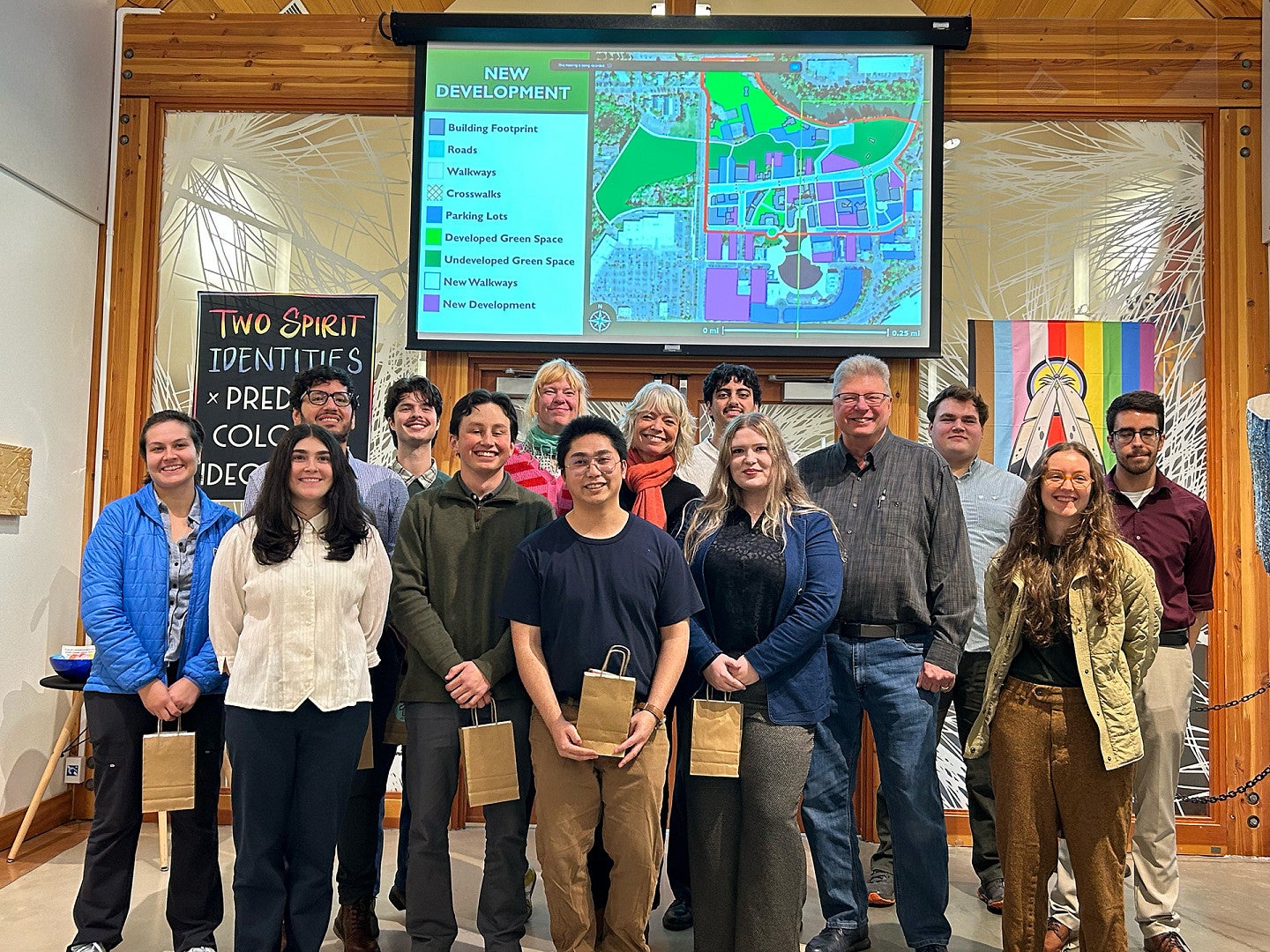
Graduate students in the Master of Community and Regional Planning program developed design concepts and analyses to support future revitalization efforts in the heart of Tualatin. Students conducted site visits, led by instructor and Eugene Mayor Kaarin Knudson, to better understand existing conditions and opportunities. Student work examines opportunities to strengthen walkability, cultivate an age-friendly community, and build economic development opportunities. Recommendations will help inform a winter architecture design studio and advance long-term revitalization goals that reflect Tualatin’s identity and aspirations.
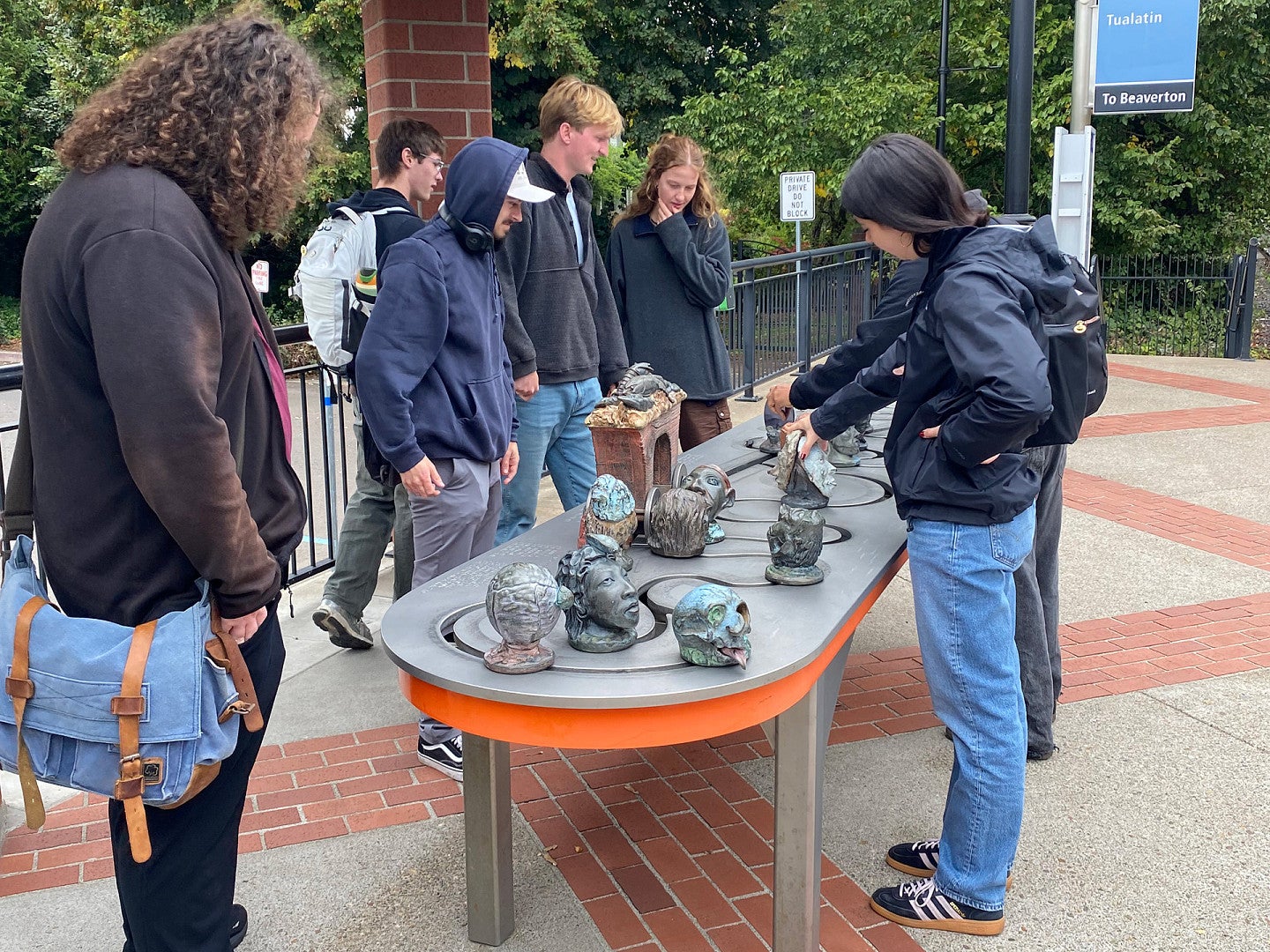
Students in the Urban Transportation course studied how Tualatin can improve travel connections between downtown, nearby neighborhoods, commercial areas, and the city’s future riverfront park. Student’s multi-modal analysis included an existing conditions and needs assessment in three focus areas—Network, Multimodal, and Parking + Land Use. Each group completed an evaluation and scoring of final project recommendations that were presented to city staff and elected officials.
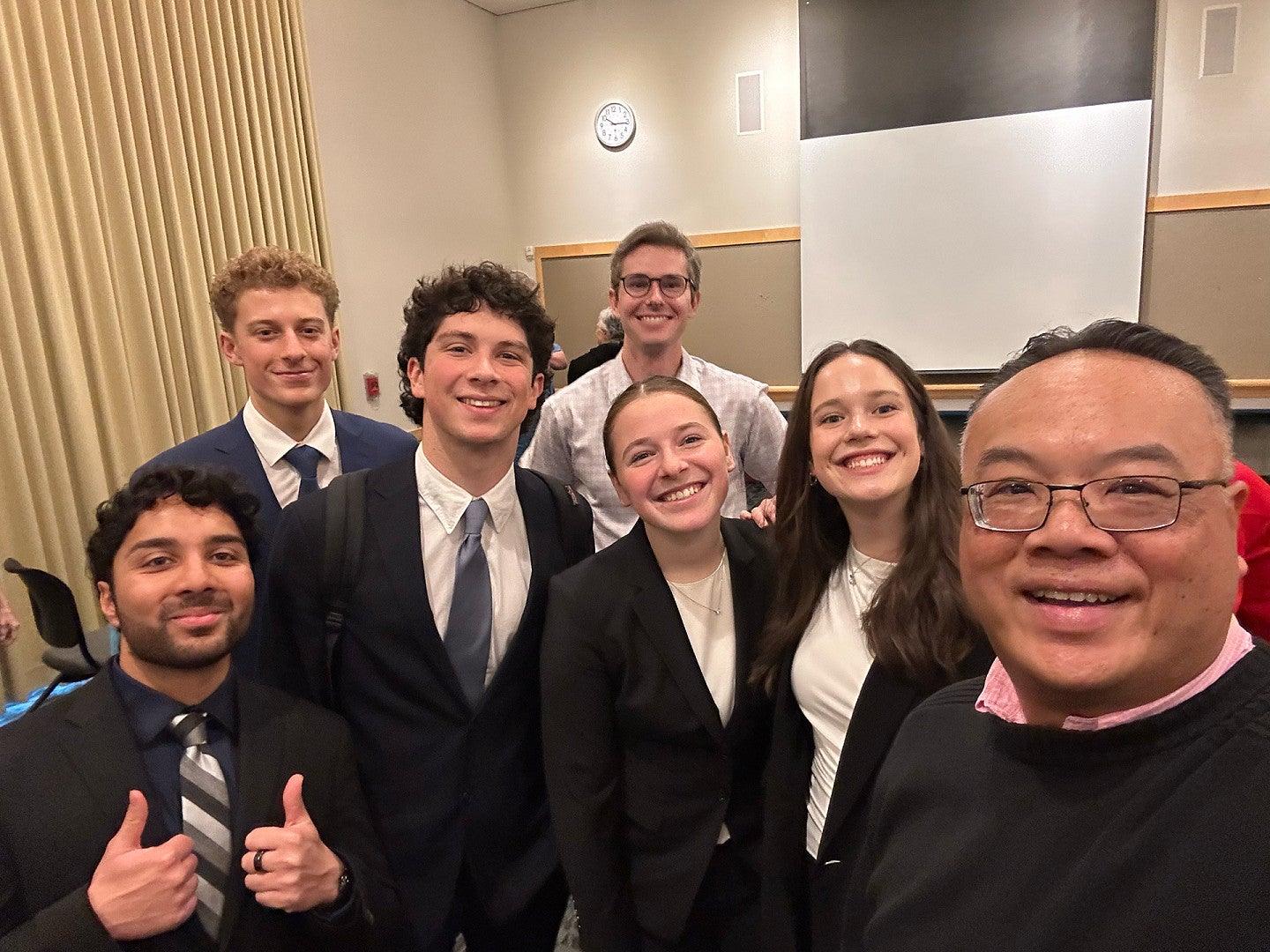
Business students from the Oregon Consulting Group conducted a comprehensive market analysis to help the city better understand downtown’s economic role and long-term development potential. The study builds on previous planning efforts and identifies strategies to strengthen the business environment, leverage existing assets, and inform future investment. Students interviewed marketing experts and recommended various events throughout the year to bring visitors and residents to eat, shop and attend various family-friendly activities.
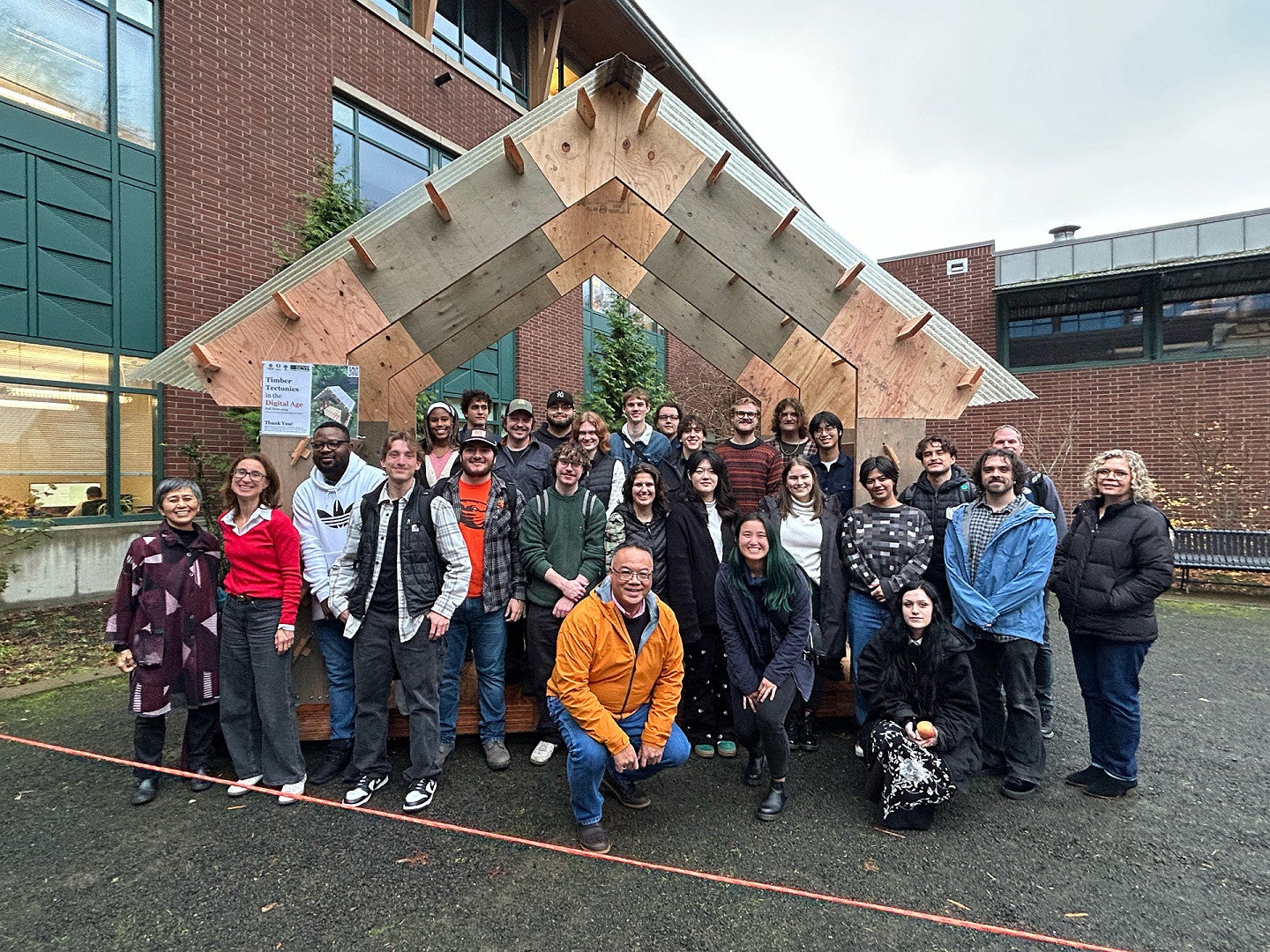
Students from the University of Oregon’s Department of Architecture and Oregon State University’s Department of Wood Science and Engineering collaborated on a design-build studio called Timber Tectonics in the Digital Age. The team developed concepts for a temporary structure that could be installed at Tualatin’s future riverfront park. Using sustainable “kit-of-parts” construction and materials such as Mass Plywood Panels, the open-air, covered structure that could be used for storage or rental equipment demonstrates environmentally responsible design while delivering functional, community-centered structures.
Community partnerships are possible in part due to support from U.S. Senators Ron Wyden and Jeff Merkley, as well as former Congressman Peter DeFazio, who secured federal funding for SCYP through Congressionally Directed Spending.